
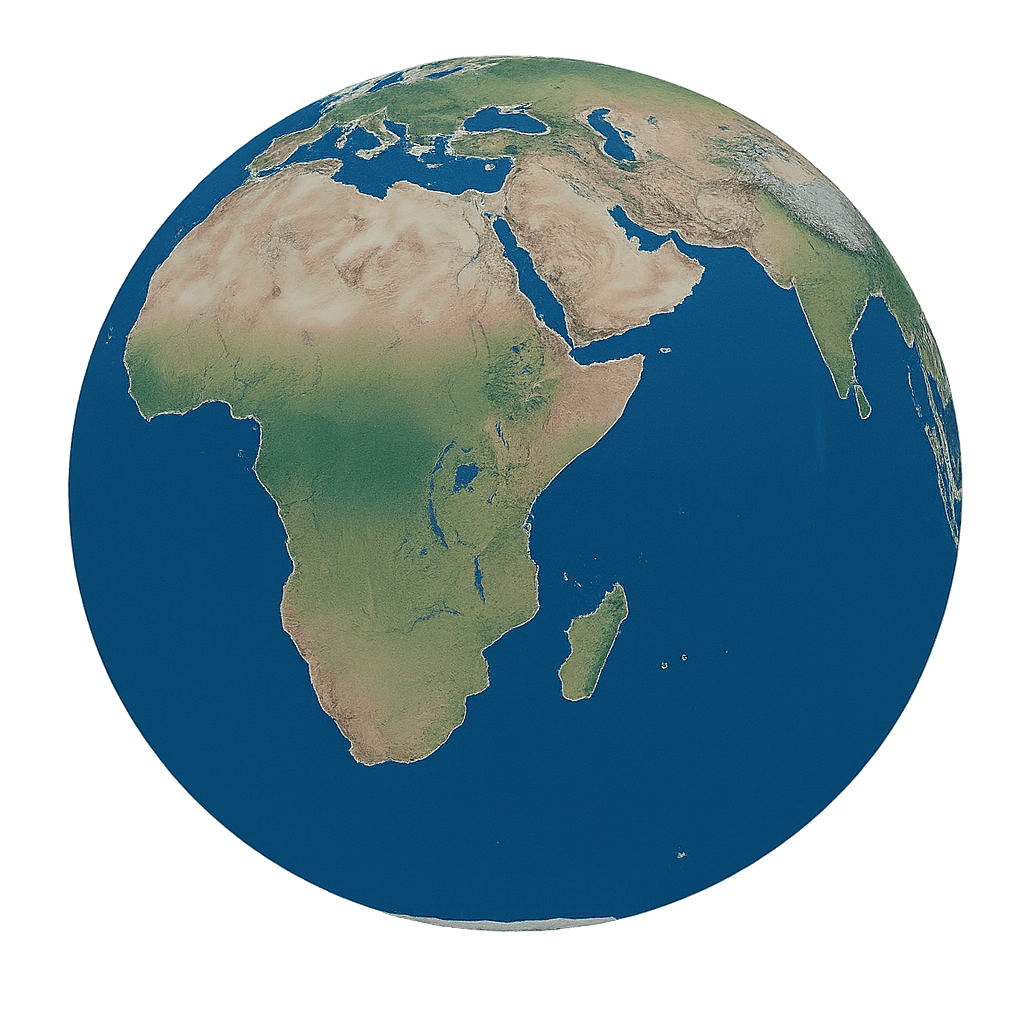
UNGA Spotlight: Nauru President David Adeang used the first days of the 81st UN General Assembly to announce the country’s return to its older name and pronunciation, “Naoero,” framing it as reclaiming heritage rather than a simple rebrand. Global Diplomacy: The UN high-level debate also opened with sharp rhetoric and threats from US President Donald Trump, while diplomats watched major speeches on wars, artificial intelligence, and UN financial strain. Regional Ties at UNGA: India’s External Affairs Minister S Jaishankar met both Switzerland’s foreign minister and Nauru’s president on UN sidelines, discussing closer economic cooperation and stronger multilateral coordination. Pacific Social Protection: A UN DESA policy brief says Pacific SIDS—including Nauru, where coverage is around two-thirds—need stronger social protection to handle poverty, climate shocks, and economic volatility. Immigration Pressure in Australia: Coverage highlights Australia’s tightening immigration enforcement, including expanded detention and raids targeting visa overstayers, raising concerns for families and community stability. Culture & Identity: Separate reporting on “Pasifika AI” argues AI systems must not speak for Pacific communities without community mandate.
AGP Executive Report
Your go-to archive of top headlines, summarized for quick and easy reading.
Note: AI summary from news headlines; neutral sources weighted more to help reduce bias in the result. Feedback is welcome. Please let us know if you have any comments or suggestions about the AGP Executive Report.
UN Identity & Representation: Nauru President David Adeang told the UN General Assembly that the country is reclaiming its heritage by changing its name and pronunciation back to “Naoero,” framing it as an “affirm a truth” moment for Nauruans. UN Diplomacy: On UNGA sidelines, India’s External Affairs Minister S Jaishankar met Adeang to discuss bilateral and multilateral cooperation, alongside meetings with Switzerland’s foreign minister. Regional Development & Wellbeing: The Asian Development Bank’s annual meeting in Milan drew Adeang and Nauru’s finance team, with ADB spotlighting food security, digital access for education and markets, energy connectivity, and climate resilience—priorities Nauru links to maritime transport, renewables, urban development, and social protection. Social Protection for Resilience: A UN DESA policy brief says Pacific Small Island Developing States need stronger social protection to cut poverty and better handle climate and economic shocks; it notes Nauru and Fiji sit around two-thirds coverage, while some neighbors are far lower. Migration & Borders (Context for Nauru): Australia and New Zealand continue tightening and listing transit/visa rules, while reporting highlights Australia’s broader anti-immigrant crackdown—an issue that can ripple across Pacific mobility and family life.
Immigration & Detention: A new report revisits Serco’s “extreme and secretive” migrant detention legacy in Australia and says incidents more than doubled after MTC took over, as the Albanese government expands offshore detention on Nauru and pushes tougher action on visa overstayers. Judicial Wellbeing: A growing Pacific push is finally asking how judges and court staff cope with heavy post-conflict and justice work, after Nauru helped spark the Nauru Declaration on Judicial Wellbeing and the UN marked an International Day for it. UN Diplomacy: S Jaishankar told the UNGA that the global order is under stress and urged stronger multilateralism plus reforms to make institutions more participative and transparent. Nauru in the UN spotlight: Jaishankar met Nauru President David Adeang on UNGA sidelines, discussing bilateral cooperation and multilateral ties. Development & Social Protection: The ADB’s Asia-Pacific overhaul puts money behind food security, digital access, energy connectivity and climate resilience, while a UN DESA brief warns Pacific SIDS—including Nauru—need stronger social protection to handle shocks. Mobility & Visas: New Zealand and Australia published updated transit visa waiver lists and conditions, while Australia also announced lower specialist-skills visa fees for Nauru and other Pacific nations. Pacific AI & Culture: Pasifika AI creators warn that AI can’t truly represent Pacific communities without community mandate and ownership.
Judicial Wellbeing in Nauru: A new push is finally putting judges’ mental health and daily strain on the agenda, after Nauru hosted the South Pacific adoption of the Nauru Declaration on Judicial Wellbeing and the UN later backed an International Day for it—shifting the conversation from “post-conflict work” to how people actually carry it. UNGA Diplomacy: India’s Jaishankar warned the global order is under stress and urged stronger multilateralism and more transparent, participative institutions, while he met Switzerland’s FM and Nauru President David Adeang on UNGA sidelines to discuss cooperation and ties. ADB and Pacific priorities: The Asian Development Bank outlined major Asia-Pacific funding goals—food security, digital access, energy connectivity, and climate resilience—with Nauru’s leadership attending and emphasizing long-term support for maritime transport, renewables, urban development, and social protection. Pacific social protection gap: A UN DESA brief says Nauru and Fiji cover about two-thirds of people, but many Pacific SIDS still face big coverage gaps that leave families exposed to climate and economic shocks. Immigration pressure across the region: Australia’s tougher anti-immigrant enforcement and detention expansion is drawing criticism, while New Zealand and Australia continue adjusting transit and visa rules affecting Pacific travellers.

UN & Diplomacy: India’s Jaishankar warned the world order is under stress from geopolitical rivalry and conflicts, urging stronger multilateralism and reforms to make global institutions more participative. Nauru–World Links: On the UNGA sidelines, Jaishankar met Switzerland’s FM and Nauru President David Adeang, discussing closer economic ties and multilateral cooperation. Development & Daily Life: The ADB’s Asia-Pacific push spotlights food security, digital access for education and markets, energy connectivity, and climate resilience—while Nauru’s priorities include maritime transport, renewable energy, urban development, and social protection systems. Social Protection in the Pacific: A UN DESA brief says Pacific SIDS need stronger social protection to cut poverty and cushion climate and economic shocks; Nauru and Fiji sit around two-thirds coverage, but gaps remain. Migration & Family Links: New Zealand and Australia expanded transit/visa rules and fees affecting Pacific travellers; Labour also promises visa-free travel for Pacific Islanders, aiming to make family reunions more affordable. Nauru in the Spotlight: Australia’s specialist skills visa fee cuts include Nauru, and Bermuda’s new visa-control order lists Nauru among nationals now facing stricter entry requirements.
Border & visas: Bermuda’s new border order adds Nauru nationals to visa-control requirements, tightening entry rules and requiring multi-re-entry visas issued by the US, UK, or Canada. Immigration enforcement: Australia’s Labor government rolls out harsher anti-immigrant measures, with more compliance officers, expanded detention capacity, and mass raids targeting visa overstayers—raising fears of a police-state atmosphere for working communities. Pacific mobility: New Zealand publishes its transit visa waiver list for Auckland (still requiring an NZeTA), while Australia expands “transit without visa” rules for 70+ countries under strict airport-only conditions. Family travel push: Labour in New Zealand promises visa-free travel for Pacific Islanders (NZeTA access for three months), aiming to reduce the cost barriers that keep families apart. Development & culture of care: ADB’s meeting in Milan highlights food security, digital access, energy connectivity, and climate resilience—while UN DESA urges stronger social protection in Pacific SIDS, noting Nauru and Fiji sit around two-thirds coverage. Health & daily life: New research spotlights ischemic heart disease burdens in older women, underlining gaps in recognition and treatment. Nauru in the spotlight: A report describes refugees facing removal to Nauru after ABF raids, including cases tied to cancelled bridging visas. Regional ties: Tuvalu and Taiwan reaffirm “like brothers” diplomacy, with cooperation framed around resilience, health, education, and digital connectivity.
Pacific Development & Finance: The Asian Development Bank opened its 58th annual meeting in Milan with Nauru President David Adeang and Deputy Finance Minister Delvin Thoma attending, as ADB pushes food security, digital access for education and markets, energy connectivity, and climate resilience—while reaffirming flexible support for Nauru priorities like maritime transport, renewable power, urban development, and social protection. Visa & Border Rules: New Zealand published a full list of 25 transit visa waiver countries for Auckland, but travellers still need an NZeTA; Australia released its TWOV list for 70 countries with strict conditions, including staying in the transit lounge. Nauru in the Spotlight: A new Bermuda border order adds Nauru to visa-controlled nationals, requiring a multi-re-entry visa via the US, UK, or Canada. Immigration Pressure in Australia: Australia’s Albanese government is rolling out tougher anti-immigrant enforcement—more compliance officers, more detention capacity, and wider raids targeting visa overstayers—while also discussing Pacific labour pathways for farmers. Social Protection for Resilience: A UN DESA brief says Pacific SIDS, including Nauru (around two-thirds coverage), need stronger social protection to handle poverty, climate shocks, and economic volatility.
Pacific Development Finance: The Asian Development Bank opened its 58th annual meeting in Milan with Nauru’s President David Adeang and Deputy Finance Minister Delvin Thoma attending, as ADB pushes food security, digital access for education and markets, energy connectivity, and climate resilience—while keeping Nauru’s priorities in focus: maritime transport, renewables, urban development, and public sector and social protection reforms. Regional Mobility Rules: New Zealand published its transit visa waiver list for 25 countries/territories for Auckland airport connections, but travellers still need an NZeTA. Australia released its Transit Without Visa list for 70 countries, with strict conditions like staying in the transit lounge and meeting an eight-hour departure requirement. Nauru in the Border Spotlight: A new Bermuda visa-control order now subjects Nauru nationals to visa-control rules requiring multi-re-entry visas issued by the US, UK, or Canada. Social Protection for Resilience: A UN DESA brief says Pacific SIDS—including Nauru at about two-thirds coverage—need stronger social protection to cut poverty and better handle climate and economic shocks. Culture & Community Ties: Naoero (Nauru) opened an embassy in Jerusalem, with Israel’s foreign minister praising the relationship rooted in religious values.
Development Finance: The Asian Development Bank opened its Milan meeting with a push for food security, digital access, energy connectivity and climate resilience, while Nauru’s leaders attended to seek flexible support for maritime transport, renewable energy, urban work, public sector reform and social protection. Border & Visas: New Zealand and Australia both published updated transit-without-visa lists and rules, including NZeTA requirements for New Zealand and strict lounge-only, onward-ticket conditions for Australia. Immigration Crackdown: Australia’s Labor government unveiled tougher enforcement against visa overstayers, with more compliance officers and expanded detention capacity—raising fears of raids and mass removals. Social Protection for Resilience: A UN DESA brief says Pacific SIDS, including Nauru, need stronger social protection to cut poverty and better handle climate and economic shocks. Nauru in Jerusalem: Nauru opened an embassy in Jerusalem, with leaders framing support for Israel as rooted in faith and “God first.” Pacific Mobility Politics: New Zealand’s Labour discusses visa-free travel for Pacific Islanders, while also noting uncertainty about how many people may arrive under the new approach.
Border & Visas: Bermuda has gazetted new entry rules, adding Nauru nationals to a visa-control list requiring a multi-re-entry visa issued by the US, UK, or Canada, while Indonesia and Taiwan were removed. Immigration Crackdown: Australia’s Albanese Labor government is rolling out tougher anti-immigrant measures: more Border Force compliance officers, more detention capacity near airports, and wider raids targeting visa overstayers and “visa-hopping,” with bridging-visa holders among those most at risk. Pacific Social Protection: A UN DESA brief says Pacific SIDS—including Nauru—need stronger social protection to cut poverty and build resilience to climate and economic shocks, noting coverage gaps across the region. Nauru in Jerusalem: Naoero (Nauru) opened an embassy in Jerusalem, with its vice president citing religious values behind support for Israel. Regional Mobility (Pacific): New Zealand’s Labour is pushing visa-free travel for Pacific Islanders via NZeTA access, aiming to ease the cost barriers that keep families apart.
Pacific diplomacy & identity: Naoero (Nauru) opened its embassy in Jerusalem, with Vice President Lionel Aingimea framing the move through faith—“God first”—and Israel’s Foreign Minister Gideon Sa’ar calling Nauru one of Israel’s “greatest friends,” while the wider diplomatic picture shows Israel leaning more toward smaller partners as European states tighten settlement-related sanctions. Regional mobility for families: New Zealand’s Labour leaders backed visa-free travel for Pacific Islanders via NZeTA, and also pointed to reduced visitor visa fees for Pacific nationals—aimed at making it easier for families to reunite, even as Labour says it doesn’t yet know how many extra people will arrive. Social protection as climate resilience: A UN DESA policy brief says Pacific SIDS need stronger social protection to cut poverty and help households handle climate and economic shocks, noting Nauru and Fiji cover about two-thirds of people. Refugee rights & detention: Reporting highlights Australia’s onshore detention system and renewed pressure on refugees facing removal to Nauru, including a case where bridging visa approval was cancelled and removal to Nauru was set for decades.
Health & Gender: A new global analysis highlights how ischemic heart disease hits women aged 55+ hard, with higher risk after menopause and worse outcomes tied to under-diagnosis and gaps in prevention. Social Protection: A UN DESA brief says Pacific small island states need stronger social protection to handle climate and economic shocks; Nauru and Fiji sit around two-thirds coverage, while some countries are below 30%. Immigration & Work: Australia’s Labor government is expanding enforcement and detention capacity, while also urging farmers to use Pacific labour via the PALM scheme amid backpacker shortages. Pacific Travel Costs: New Zealand moves to reduce visa fees for Pacific visitors and promises visa-free travel for Pacific Islanders, aiming to help families reunite—though officials say they don’t yet know how many more people will come. Nauru in Jerusalem: Nauru opened an embassy in Jerusalem, with Israel praising the relationship—framed by sources as driven by religious conviction and long-running biblical beliefs across the Pacific.
Pacific Labour & Food Security: Australia’s Labor says farmers facing backpacker shortages should use Pacific and Timor-Leste workers via the PALM scheme, rejecting warnings that the new immigration rules will cripple regional harvests. Pacific Visas & Family Reunions: New Zealand Labour promises visa-free travel for Pacific Islanders on an NZeTA for up to three months, while also cutting visitor visa fees for Pacific nationals—though officials admit they don’t yet know how many extra travellers this will bring. Nauru in Jerusalem: Nauru (called Naoero) opened an embassy in Jerusalem, with Israel’s foreign minister praising the island as a key ally—part of a wider Pacific trend driven by faith and diplomacy. Regional Mobility & Climate: A new look at Pacific policy points to growing Australia–Pacific agreements that treat migration as adaptation and opportunity, including deals involving Tuvalu and Nauru. Refugees at Risk of Transfer to Nauru: A report highlights detainees in Australia facing removal to Nauru, including a case tied to long-running legal battles over indefinite detention. Diplomacy in the Pacific: Tuvalu’s foreign minister met Taiwan’s president, calling the relationship “like brothers,” as both sides stress cooperation on outer-island development.
Creative Rights & Big Tech: A fresh public backlash targets the government’s willingness to give away creatives’ intellectual property, arguing it’s creators’ work and investment—not something politicians should trade away for tech profit. Pacific Visas & Family Reunions: New Zealand Labour backs visa-free travel for Pacific Island Forum countries via NZeTA-style access, aiming to cut the cost barriers that keep families apart, though Labour admits it doesn’t yet know how many extra people will come. Australia–Pacific Mobility: Australia also announced lower specialist-skills visa application fees for citizens of 13 Pacific nations including Nauru (and Timor-Leste), starting July 2026, easing costs for applicants and eligible family members. Nauru in Jerusalem: Nauru (Naoero) opened an embassy in Jerusalem, with Israel’s foreign minister praising the island as a key friend—part of a wider Pacific trend tied to faith and diplomacy. Refugee Policy Spotlight: Human Rights Watch renews criticism of Australia’s offshore detention system, including transfers to Nauru, saying the policy has caused long-running harm to asylum seekers. Regional Politics & Security: Coverage also flags tense Korea Peninsula dynamics after US-Japan-South Korea drills, with North Korea’s missile test following soon after.
Visa & Mobility: Labour promises visa-free 3-month NZeTA access for Pacific Island Forum countries, citing rising overstayer rates and the burden on Nauru and other Pacific families, after New Zealand First floated clemency for overstayers. Regional Climate & Weather: Pacific ministers renew commitments to stronger, more integrated weather, climate and early warning services, with leaders also setting priorities for waste and climate action under regional finance. Human Rights & Film: A Pacific human rights film festival at USP in Labasa uses movies and talanoa to spotlight women’s empowerment and gender-based violence, including a documentary on women’s rugby. Nauru in the Spotlight: Human Rights Watch renews criticism of Australia’s offshore detention system, describing long-running harm to people transferred to Naoero (Nauru) and Manus. Culture & Faith in Diplomacy: Nauru’s Jerusalem embassy opening is framed as faith-driven support for Israel, echoing a wider Pacific trend of embassies tied to Christian belief and Old Testament prophecy. Pacific Politics: Pacific Islands Forum leaders in Palau focused on reaffirming ties, with Taiwan’s presence and regional tensions shaping the week’s tone.
Visa & Mobility: Australia cut specialist skills visa application fees for citizens of 13 Pacific Island nations plus Timor-Leste, including Naoero (Nauru), effective 1 July 2026, with lower costs for the Subclass 482 stream and eligible family members. Offshore Detention & Rights: Human Rights Watch renewed scrutiny of Australia’s offshore detention system, saying thousands have been transferred to Naoero and Manus over 25 years and faced serious harm. Diplomacy & Faith: Naoero opened an embassy in Jerusalem, with leaders framing support for Israel as rooted in religious belief (“God first”), while broader Pacific moves to Jerusalem embassies are linked to Christian conviction. Regional Partnerships: Tuvalu’s foreign minister met Taiwan President Lai Ching-te, with Taiwan calling the relationship “like brothers” and highlighting projects in outer islands. Pacific Governance Watch: At the Pacific Islands Forum in Palau, Taiwan had a strong presence amid China-Taiwan tensions, and attendance politics shaped the week’s tone. Culture & Community: A Pacific human rights film festival at USP in Labasa used documentaries to spark discussion on women’s empowerment and human rights.
Nauru in Jerusalem: Naoero (Nauru) opened its embassy in Jerusalem, with VP/Foreign Minister Lionel Aingimea framing the move as faith-led—“God first”—and Israel’s FM Gideon Sa’ar praising Nauru as a key friend. Pacific faith & diplomacy: A wider AFP look links Pacific embassy openings to Christian belief and Old Testament prophecy, with Nauru joining Fiji, Papua New Guinea and others. Refugees in limbo: Human Rights Watch reports Australia’s offshore detention system has caused severe harm for 25 years, including forced transfers to Naoero, while one detainee’s family describes a sudden ABF raid and removal plans. Mobility policy: A review of Australia–Pacific agreements highlights growing recognition of migration as adaptation, naming Naoero among recent bilateral deals. Culture & women’s empowerment on film: A Pacific human rights film festival at USP Labasa used movies and talanoa discussions to spotlight gender-based violence and women’s rugby. Local voices online: Sam Bayat’s “Sam’s Morning Walk” series continues from Naoero, now inviting viewer questions.
Nauru’s Jerusalem Embassy: Naoero (Nauru) has opened its embassy in Jerusalem, with Vice President and Foreign Minister Lionel Aingimea framing the move as faith-led—“God first”—and saying support for Israel brings “God’s blessing.” Regional Diplomacy Shift: The same Israeli foreign minister also opened a new mission in Ljubljana, while sanctions and a diplomatic chill with some long-standing European partners were highlighted by the lack of a London ceremony and Israel’s strained ambassador situation. Offshore Detention, Nauru at the Center: A new report describes refugees in Australia facing removal to Nauru, including one man whose bridging visa was cancelled and who says raids and fear are part of the process. Mobility in Pacific Policy: A look at Australia–Pacific agreements notes that migration is increasingly treated as a practical adaptation tool, pointing to Nauru’s mobility-related deal signed in December 2024. Culture & Human Rights on Screen: A Pacific human rights film festival at USP Labasa used movies and talanoa discussions to spotlight women’s empowerment and gender-based violence, including a documentary on women’s rugby. Local Media & Identity: Sam Bayat’s “Sam’s Morning Walk” series has reached Naoero, tying everyday reflections to the island’s recent constitutional name change.
Nauru’s Jerusalem diplomacy: Naoero (Nauru) opened its embassy in Jerusalem, with VP/Foreign Minister Lionel Aingimea framing support for Israel as faith-first, tied to “God first” values and biblical conviction. Refugee rights and Nauru’s role: A new report says Australia’s offshore detention system has caused severe harm for 25 years, including forced transfers to Naoero, with families describing raids and long-term detention fears. Mobility and policy links: Commentary on Pacific climate mobility points to growing Australia–Pacific agreements that treat migration as adaptation and opportunity, including a Naoero-focused deal signed in December 2024. Culture and community media: Sam Bayat’s “Sam’s Morning Walk” series reaches Naoero audiences, mixing daily reflections with questions from viewers and highlighting the island’s recent name change. Regional culture spotlight: A Pacific human rights film festival in Fiji used movies and talanoa to push women’s empowerment and gender-based violence awareness.
Refugee Rights in the Spotlight: Human Rights Watch reports Australia’s offshore detention system has caused “grave abuses” for more than 5,000 asylum seekers sent to Naoero and Manus over 25 years, with serious harm to mental and physical health. Nauru Embassy in Jerusalem: Naoero (Nauru) opened its embassy in Jerusalem, with VP/Foreign Minister Lionel Aingimea saying support for Israel is rooted in faith—“God first”—and Israel’s FM Gideon Sa’ar praising Naoero as a close ally. Faith vs Statecraft in Pacific Diplomacy: AFP frames the Jerusalem embassy push as religious conviction tied to Biblical prophecy, with experts pointing to Christianity’s deep role across indigenous Pacific communities. Mobility and Policy: A review of Australia–Pacific agreements highlights how migration is increasingly treated as adaptation and opportunity, citing deals involving Naoero among others. Culture & Community Media: Sam Bayat’s single-take “Sam’s Morning Walk” series reaches Naoero, blending everyday reflections with questions from viewers. Human Rights on Screen: A Pacific human rights film festival in Fiji uses movies and talanoa to spotlight women’s empowerment and gender-based violence.
Sign up for:
Nauru Culture Journal
The daily local news briefing you can trust. Every day. Subscribe now.
Check Your Email!
We sent a one-time activation link to: .
Confirm it's you by clicking the email link.
If the email is not in your inbox, check spam or try again.
Welcome back!
is already signed up. Check your inbox for updates.